Pasta! ! Pasta! Pasta! and Pasta! Among gazillions of easy-to-cook comfort foods, PASTA holds the throne to be any country’s favorite. Anywhere in the world, there is a showcase of culture by how unique they present this inexpensive staple food. Many of us thought of it as just plain Italian food, and people believed that it originated in the same country too. In Western countries such as the USA, they prepare and cook it similarly to how the Italians have it. Except, of course, their ever-famous spaghetti and meatballs. In Europe, Germany boasts of chewy egg noodles called spaetzle while Greeze has their baked pastitsio, and Poland always has their mouth-watering lazanki. Households of Ashkenazi in the Middle East make sweet egg noodle casserole kugel. And for everyone, it is known to be traditionally Italian, even ancient history makes it surely impossible to distinguish who came up with that festive and delicious dish first.
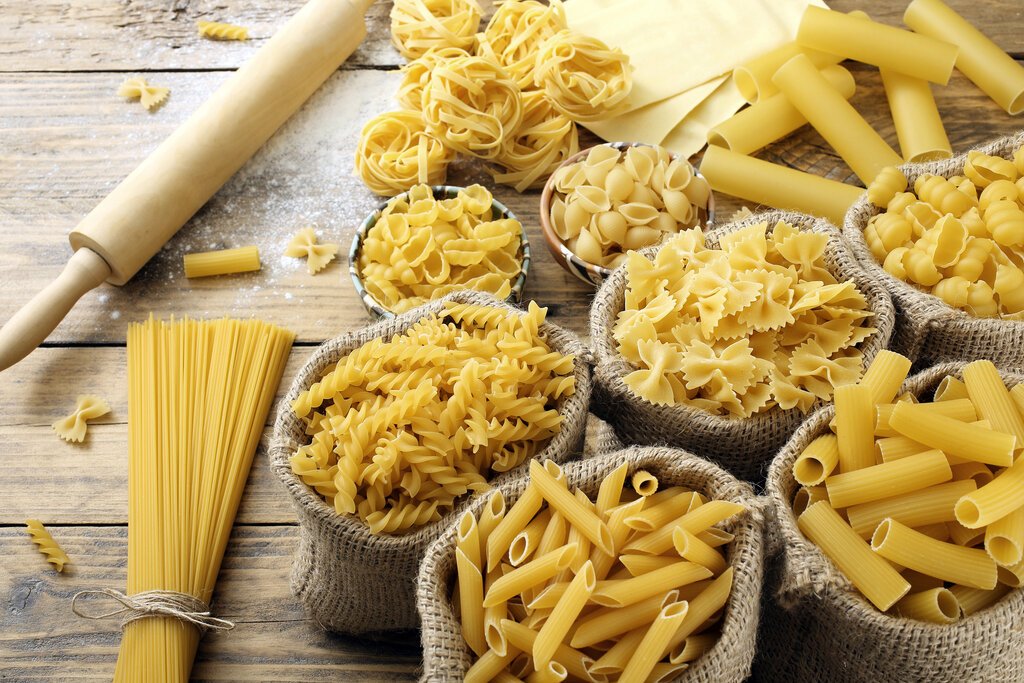
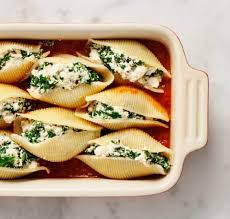
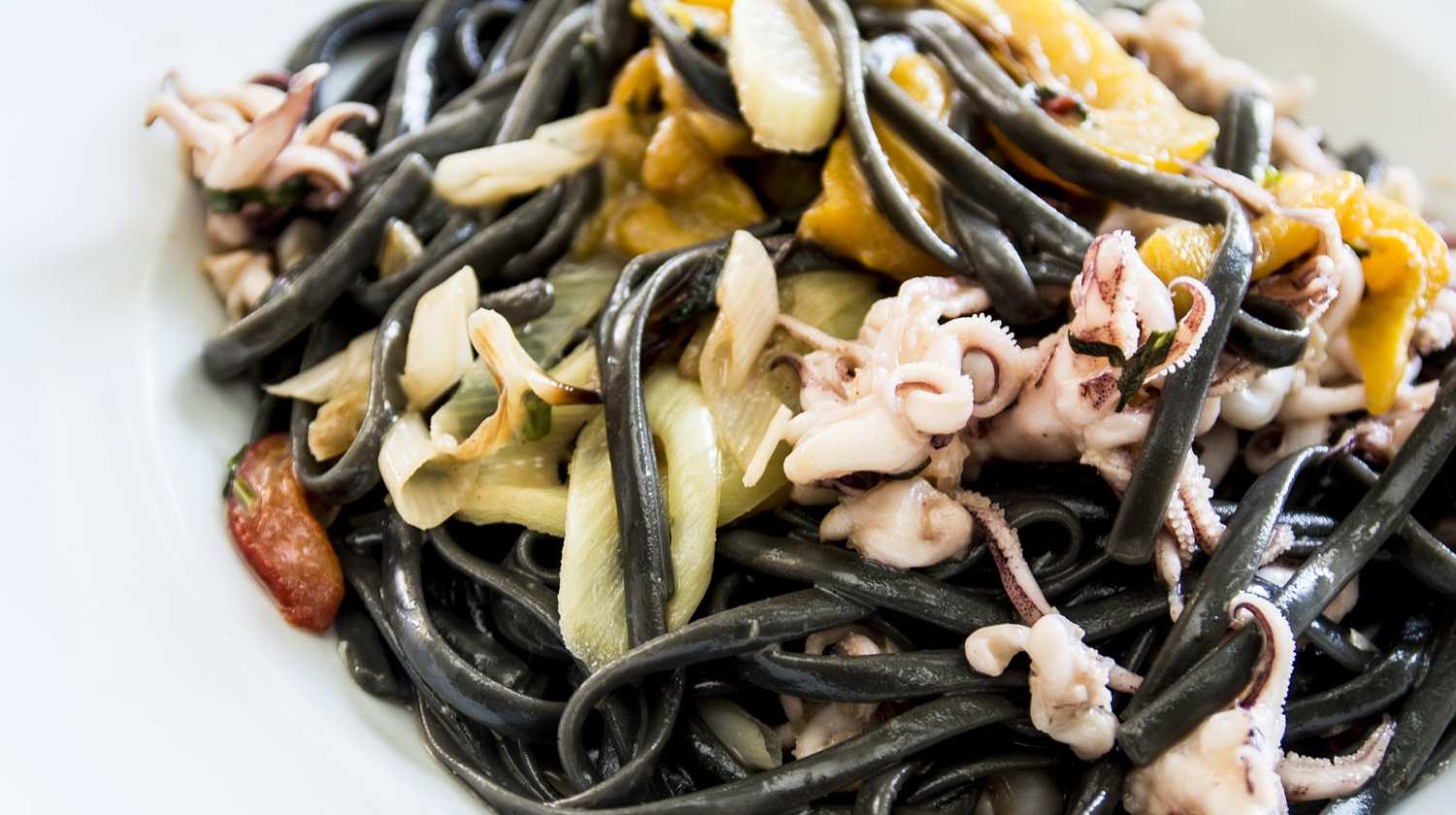
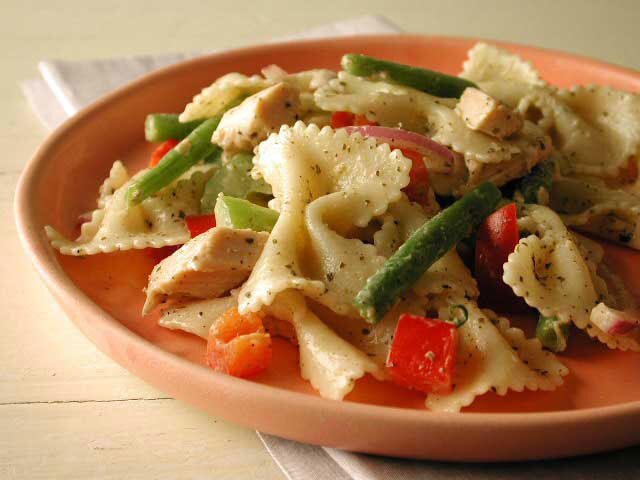
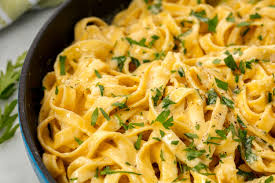
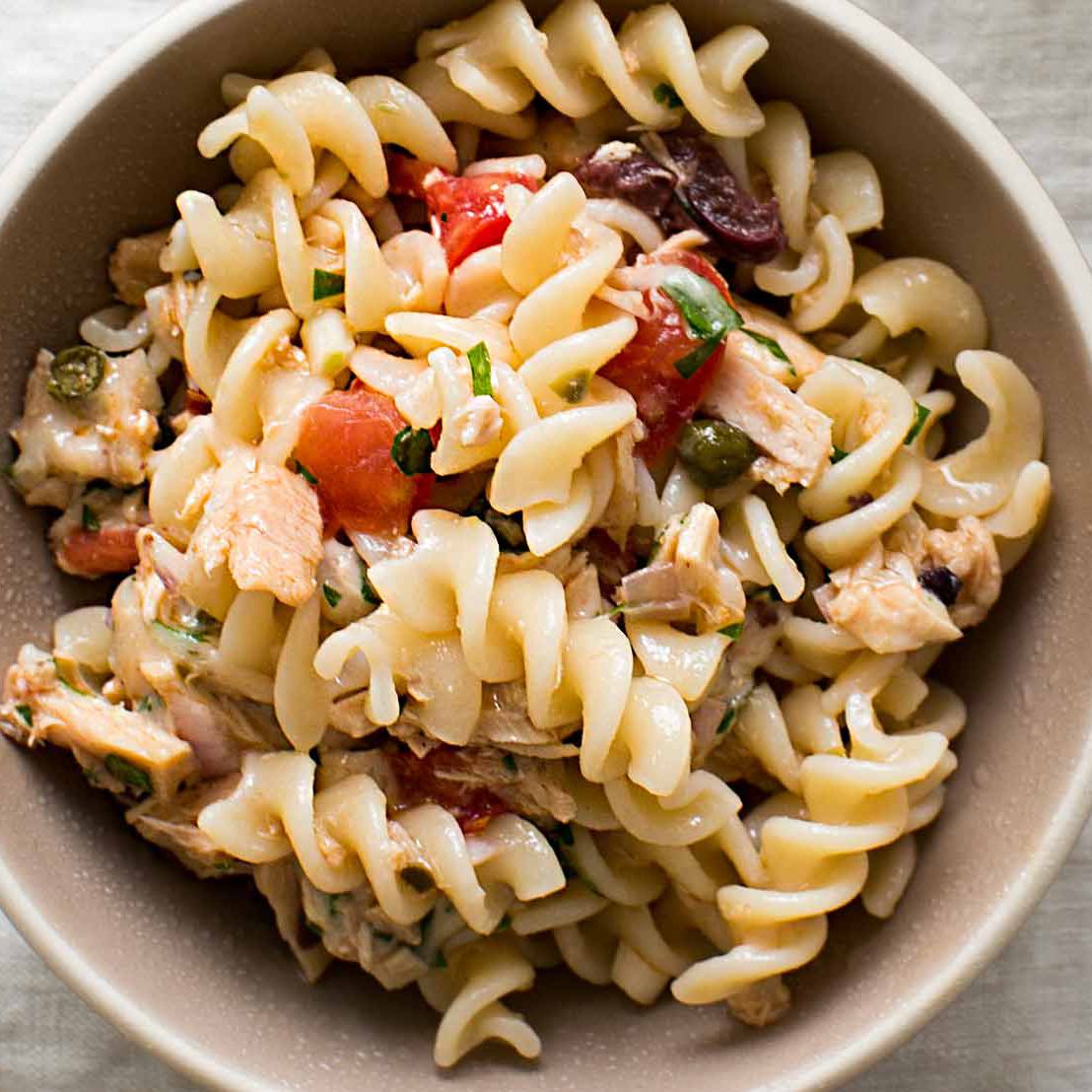
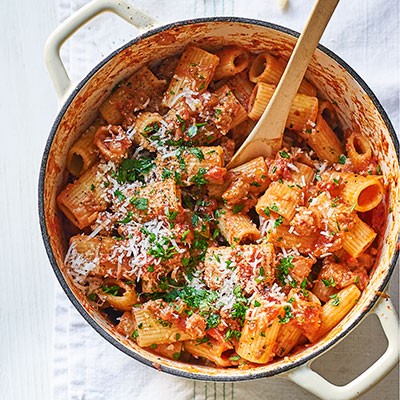
Pictures are taken from google and not owned by the writer. (For visual use only)
Several etymology websites stated that the word “pasta” comes from an Old French “paste” which means “dough or pastry”. Rooting its beginning in c.1300. Some claim that it is from the Late Latin word “pasta” which means “glue mixture, the dough used as a plaster seal” in c.1400. Based on its etymology, it is hard to trace the historical footprint of this food. It was not given much attention nor considered to be an extravagant food because it was served at common people’s dining table and with the belief that it was acknowledged as a popular food. In a lavish world, popularity doesn’t correspond to being highly classic, but, is regarded as basic. Alors! To define, PASTA is a traditional Italian noodle. Though it has the same base ingredients like Chinese and other Asian noodles, it is still unique in its own right.
Basic but UNIQUE!
Wheat flour turned as unleavened dough, mixed with water and egg. Until it is formed into hundred different shapes, sizes, and noticeably, it varies in colors, too. Plain and simple.
You see, when we think of pasta, we assume that it has the very basic ingredients the world can give. But what really sets it apart from the rest? The magic is called DURUM! According to Healthline, it is a popular kind of wheat and is mainly used in baked goods, couscous, noodles, breakfast cereals, pizza dough. and pasta. It is high in gluten content and can give low moisture which makes it perfectly suited for making pasta, pressed into sheets, and cooked before serving.
History Kitchen says that it is “likely a descendant of the ancient Asian noodles” and is believed that “it was bought to Italy from China by Marco Polo” during his 13th-century expedition. However, his written pilgrimage no longer existed to attest to the fact on the cobweb beginning of this famous food. In the Asian region, their so-called noodles existed even before different explorations were launched by Europeans. Proving a belief that it is unlikely that Marco Polo started the pasta journey into our tables.
Dried Pasta. Nowadays!
Noodles existed in Asia long before Polo’s trip to China. Archaeologists believe that central Asia is most likely the first area to have produced noodles thousands of years ago. From Asia, it traveled westward. The way it reached Europe is unclear, though there are many theoriessome believe that nomadic Arabs are responsible for bringing early forms of pasta westward. Once it reached the Mediterranean the process was refined, and durum wheat became the ingredient of choice for pasta flour because of its high gluten content and long shelf life. When durum wheat pasta is dried, it lasts indefinitely, making it a very convenient food to store. Over time, because of pastas affordability, shelf life, and versatility, it became firmly rooted in Italian culture. The warm Mediterranean climate of Italy is suited to growing fresh vegetables and herbs, which meant that Italians could get creative with a delicious variety of pasta sauces. Tomato-based sauces emerged as a favorite complement to pasta, and tomatoes remain the most popular ingredient in pasta sauce today.
Today, pasta is generally cooked by boiling the dough. The first evidence of pasta being boiled comes from the Jerusalem Talmud. The Talmud includes a discussion on whether or not boiled dough should be considered unleavened bread under Jewish law. Pasta was likely boiled before the Talmud was written, but this is the first text reference to the cooking method.
Here in America, we are most familiar with dried pastas imported from Italy. Dried pasta is usually made from semolina, or purified durum wheat. Semolina isnt overly absorbent, which makes for great al dente style pasta. It also has a long shelf life, unlike fresh pasta.
Pasta is, for all intents and purposes, a comfort food. One of its most comforting qualities is how little it has changed over the centuries. It is still made with the same essential ingredients and preparations that it has been since antiquity. When we eat pasta, we can be assured of the likelihood that our ancestors, and our ancestors ancestors, ate something similar. Pasta, with its long, multicultural history, is a culinary connection to our past.
REFERENCES:
- ONLINE ETYMOLOGY DICTIONARY (https://www.etymonline.com/word/paste)
- HEALTHLINE (https://www.healthline.com/nutrition/durum-wheat-vs-whole-wheat)
- HISTORY KITCHEN (https://www.pbs.org/food/the-history-kitchen/uncover-the-history-of-pasta/)


 The Swaying Queen
Leave a reply to Lady Benoit Cancel reply